
NJCA Symposium – Memory, Trauma and Evidence and the Courts
- Days : 21–22 Aug 2026
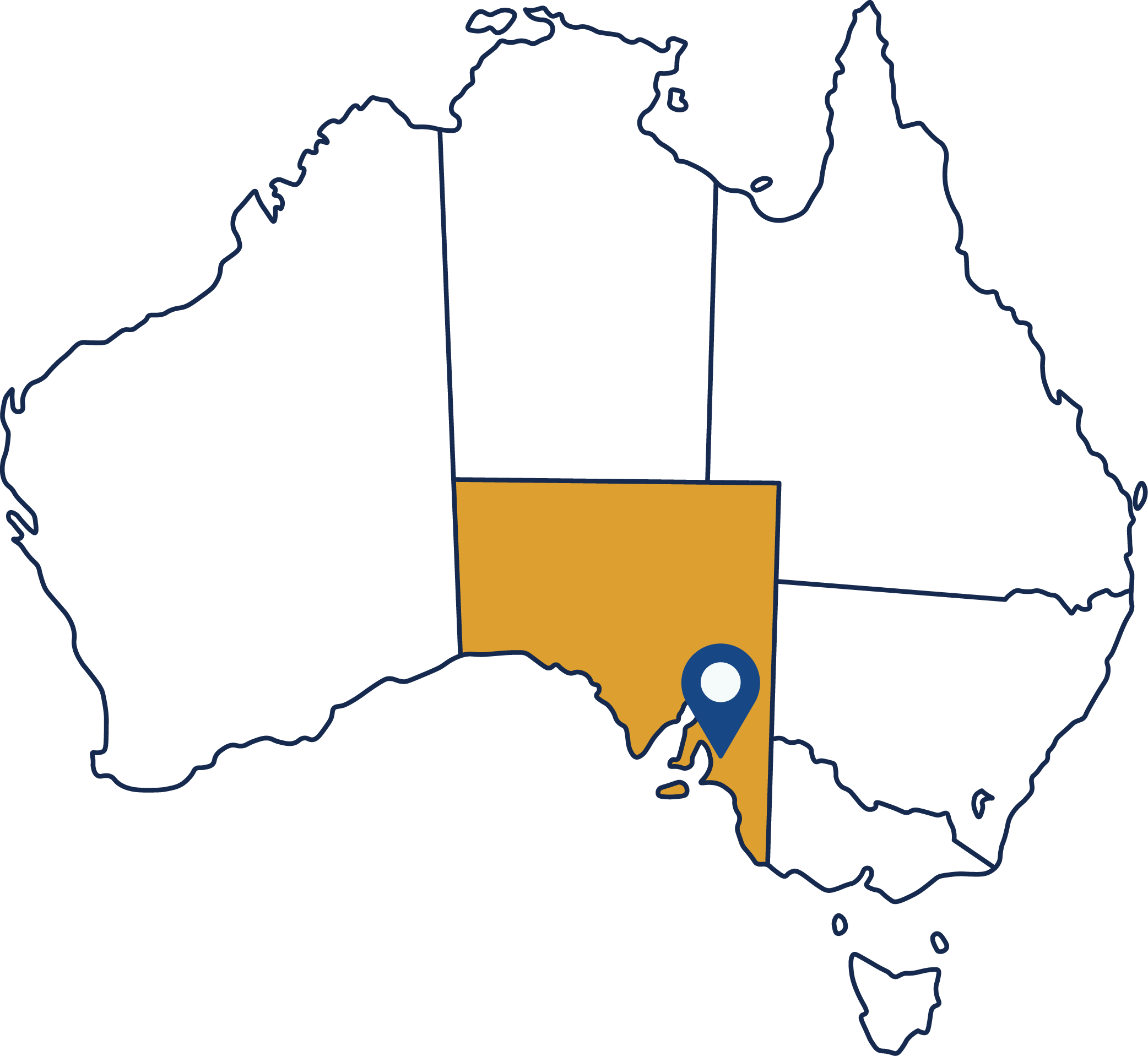
- Where : Adelaide
- Cost : TBA
- Participants : Members of the broader legal community
21–22 Aug 2026
Adelaide
TBA
Members of the broader legal community


- Days : 21 – 22 August 2026
- Where : Adelaide
- Cost : 1070
- Participants : Members of the broader legal community
NJCA Symposium 2026 – Memory, Trauma and Evidence and the Courts
The Symposium is now FULLY SUBSCRIBED. The intersection of memory science, trauma research, and legal proceedings represents one of the most critical and complex challenges facing the Australian justice system. As courts increasingly deal with cases involving traumatic experiences—from sexual assault and domestic violence to terrorism and war crimes, the reliability of memory evidence has become a central concern for judicial officers, legal practitioners, forensic psychologists, and policymakers alike.
This NJCA Symposium is for the broader legal community. It will bring together leading researchers in cognitive psychology, neuroscience, traumatology, and legal scholarship, together with judges, lawyers and victim advocates to examine the complex relationship between memory science, evidence and judicial practice. The NJCA are delighted to welcome Professor Barbara Spellman, University of Virginia School of Law, as the keynote guest speaker.
Other speakers include:
- Professor Richard Bryant, University of New South Wales
- Professor Ullrich Ecker, University of Western Australia
- Professor Mark Nolan, Charles Sturt University
- Professor Celine Van Golde, University of Sydney
- Professor Jane Goodman-Delahunty, University of Newcastle
- Mark Steele SC, Wentworth Selbourne, University of Sydney
- Professor Martine Powell, Griffith University
- Dr Loraine Lim, Lim Psychology
Through this Symposium, the NJCA aims to advance more informed, evidence-based approaches to cases involving the assessment of memory-based evidence including traumatic memories. This advancement has profound implications not only for individual justice but also for public confidence in legal and judicial institutions and the protection of vulnerable populations in Australia who find themselves before the courts.
Symposium sessions will include both plenary sessions as well as streamed/concurrent sessions, giving choice to attendees. Together, fundamental questions will be explored and addressed:
- How do Australian courts deal with concerns about the reliability of memory-based evidence in general, and traumatic memory in particular? What role, if any, should expert testimony play in educating factfinders about normal memory and traumatic memory?
- How can legal procedures be “adapted” to accommodate what we now know about memory while preserving litigants’ rights and the integrity of the truth-seeking process?
Why should I attend the Symposium?
Recent decades have witnessed significant advances in the understanding of how memories are formed, consolidated, and retrieved. Neuroscientific research has revealed the unique ways experiences are encoded in the brain, while psychological studies have documented phenomena such as dissociation, fragmentation, and delayed disclosure that frequently characterises trauma survivors’ testimony. At the same time, research on memory malleability, false memories, blocked memories and the suggestibility of witnesses has raised important questions about evidentiary standards and safeguards.
Understanding these issues is the responsibility of lawyers and judicial officers.
What will the Symposium cover?
By the end of this Symposium, participants will be able to:
Knowledge and Understanding
- Recognise the key neurobiological mechanisms underlying memory formation, consolidation, and retrieval in both ordinary and traumatic circumstances, including the role of stress hormones, the amygdala, and the hippocampus in trauma memory encoding.
- Appreciate the range of memory phenomena associated with trauma, including fragmentation, dissociation, peritraumatic dissociation, delayed recall, and intrusive memories, and distinguish these from memory distortion, blocked memory and confabulation.
- Identify the major empirical findings regarding memory malleability, false memories, and suggestibility, and understand their implications for witness interviewing, investigative procedures, and courtroom examination.
Critical Analysis and Application
- Critically evaluate the tension between scientific understandings of traumatic memory and traditional legal assumptions about memory reliability, coherence, and consistency in witness testimony.
- Assess the strengths and limitations of various types of expert testimony regarding memory and trauma and determine when such testimony may assist or mislead factfinders.
- Analyse case studies involving traumatic memory evidence to identify potential areas of concern regarding witness interviewing techniques, suggestive procedures, or insufficient consideration of trauma effects.
- Apply evidence-based principles to develop recommendations for improving legal procedures, including interviewing protocols, jury instructions, and courtroom accommodations that reflect current scientific understanding while maintaining procedural fairness.
Interdisciplinary Synthesis
- Synthesise perspectives from neuroscience, psychology, and Australian law to construct more nuanced approaches to evaluating memory evidence in cases involving alleged trauma.
- Navigate the ethical complexities inherent in cases involving traumatic memories, including balancing the rights of accused persons, the needs of trauma survivors, and society’s interest in accurate fact-finding and a fair trial.
- Communicate effectively across disciplinary boundaries, translating scientific concepts for legal audiences and explaining legal constraints and values to scientific researchers.
Judicial/Legal Practice and Policy Development
- Design trauma-informed investigative and courtroom practices that minimise re-traumatization while optimising and preserving the ability to test witness credibility and reliability through appropriate means.
- Contribute to ongoing policy discussions regarding reform of legal standards, processes and procedures, and training related to memory evidence and trauma-informed justice.
How will the skills and knowledge gained at the Symposium help you and assist the court?
The Symposium is designed to foster interdisciplinary dialogue that bridges the gap between scientific knowledge and legal application. Over two days, presentations and resulting discussion will allow researchers to understand the practical constraints and values of the justice system, and for legal professionals and judges to engage deeply with current scientific evidence.
Symposium inclusions
Flights to and from Adelaide and accommodation are not included in the registration fee.
Included is programmed catering (morning tea, lunch and afternoon teas) and access to all program materials and resources.
Meet your Program Planning Committee